Common Mistakes That Hurt Curb Appeal
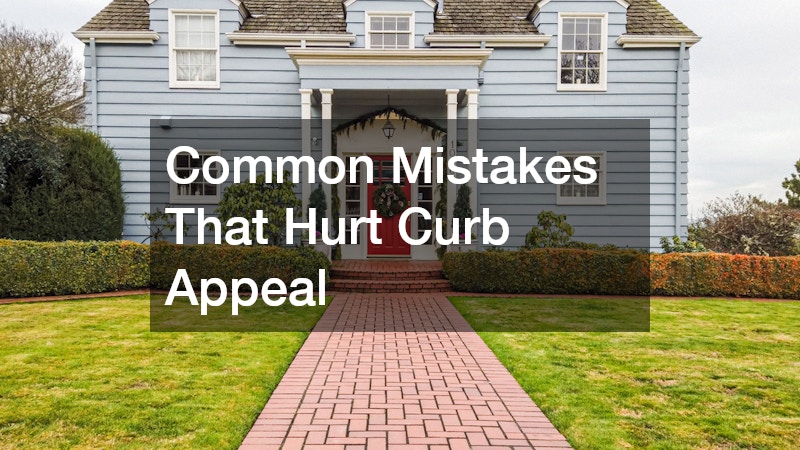
Curb appeal is one of the most critical aspects of a home’s overall value and attractiveness. It’s the first impression visitors, neighbors, and potential buyers get when they approach your property. A home with well-maintained landscaping, clean walkways, and appealing exterior features immediately conveys care and attention to detail. However, many homeowners unintentionally make mistakes that reduce the impact of their property’s curb appeal, from poorly executed renovations to overlooked landscaping issues. Even small missteps, like faded paint, uneven pavers, or damaged screens, can make a home appear neglected.
This article explores the common mistakes homeowners make and provides practical advice for correcting them. By understanding how elements like decking, lanai screens, pavers, and landscaping affect the visual appeal, you can take deliberate steps to enhance your home’s appearance. Additionally, topics such as lawn care, tree care, and land clearing will be discussed to ensure your property is visually balanced, healthy, and inviting. Whether you’re planning a major remodel or simply improving existing features, applying these insights will help maintain a strong sense of curb appeal throughout the year.
What Are The Common Mistakes During Deck Installation?
Incorrect Sizing And Planning
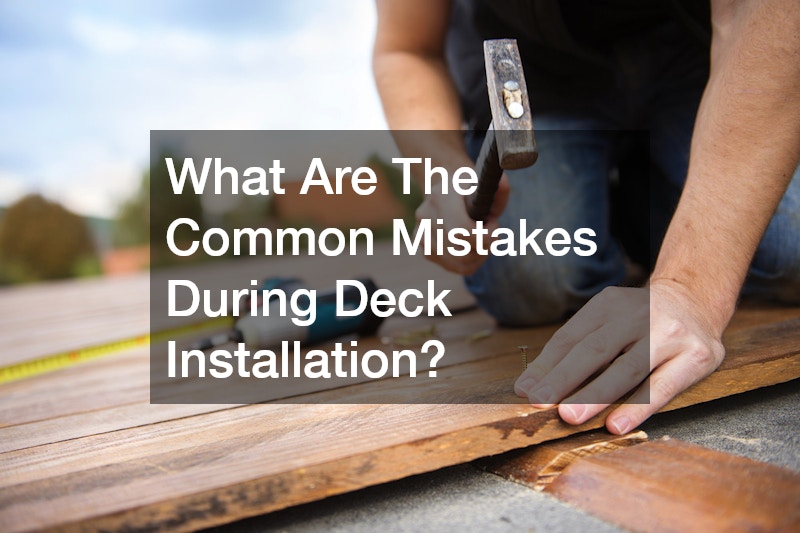
One of the most frequent mistakes in deck installation service is failing to properly measure the space and plan accordingly. A deck that is too small may feel cramped and underutilized, while an oversized deck can overwhelm the yard and disrupt overall harmony. Careful planning ensures the structure fits naturally with your home’s exterior and surrounding landscaping. Consider traffic flow, access points, and functional areas like seating or grilling spaces when mapping out your deck. Consulting professionals or using design software can help visualize the final layout and prevent costly adjustments later.
Proper sizing also impacts curb appeal significantly. A well-proportioned deck contributes to the symmetry and balance of your property, making the home look more inviting. By investing time in careful planning, you’ll avoid common pitfalls like awkward angles, uneven steps, or unnecessary obstacles. This attention to detail not only enhances usability but also elevates the overall aesthetic of the exterior space, creating a welcoming atmosphere for guests and potential buyers alike.
Choosing Poor Quality Materials
Selecting the right materials is critical for both durability and visual appeal. Low-quality decking materials may warp, crack, or fade quickly, which can quickly diminish curb appeal. Investing in high-quality woods, composites, or other durable materials ensures your deck maintains its aesthetic and structural integrity for years. Materials that resist moisture, insects, and UV damage will help your outdoor living space look fresh and well-maintained with minimal effort.
Beyond durability, the materials chosen influence the overall visual impression. Rich, natural wood tones or modern composite finishes can complement your home’s exterior, adding warmth or sophistication. Conversely, poor-quality decking can appear cheap or mismatched, undermining the positive impact of other exterior improvements. Carefully selecting materials for both function and style is essential in maximizing the curb appeal of your deck and your entire property.
How Can Decking Affect Curb Appeal?
Visual Impact On Home Exterior
Decking plays a significant role in shaping the visual identity of your property. A deck is often one of the first exterior features that people notice, so its style, color, and condition directly impact curb appeal. Properly designed decks that integrate with your home’s architecture can highlight entrances, frame outdoor views, and create a harmonious outdoor environment. Features such as built-in seating, railings, or planters can also contribute to a polished, inviting look.
Conversely, a deck that is neglected or poorly designed can reduce curb appeal, making the property appear unfinished or uncared for. Discoloration, loose boards, or mismatched materials can be particularly noticeable from the street. Regular cleaning, staining, or refinishing ensures that decking continues to contribute positively to your home’s visual impression. Thoughtful design choices that blend functionality with aesthetic appeal are essential for making your property stand out for all the right reasons.
Maintenance And Upkeep Considerations
Maintaining decking is crucial for long-term curb appeal. Exposure to sun, rain, and temperature fluctuations can gradually degrade materials, causing discoloration, warping, or splintering. Routine maintenance, such as cleaning debris, sealing wood, or inspecting for loose boards, keeps your deck looking attractive and safe. Regular attention also prevents minor issues from becoming expensive repairs, preserving both functionality and beauty.
Proper upkeep enhances the overall perception of your property. A well-maintained deck signals that homeowners care about their space and understand the value of their investment. In addition, integrating complementary features like potted plants, outdoor rugs, or lighting can further elevate curb appeal. By combining thoughtful maintenance with strategic enhancements, your decking can remain a centerpiece of your outdoor aesthetics for years to come.
What Should I Know About Lanai Screen Repair?

Signs That Your Screens Need Repair
Lanai screens are often overlooked when considering curb appeal, but damaged or sagging screens can detract from the overall visual quality of your home. Signs that a screen needs repair include tears, holes, or loose fittings. In addition, warped frames or missing hardware can make your lanai appear neglected, diminishing the inviting atmosphere of your outdoor space. Regular inspections help identify problems early before they become more costly and noticeable from the exterior.
Addressing screen issues promptly is critical for both aesthetic and functional reasons. Well-maintained screens protect furniture and plants, keep insects out, and maintain the clean lines of your outdoor structures. A crisp, intact screen enhances the perception of order and care, reinforcing positive curb appeal. Ignoring these small details can create an impression of deferred maintenance that impacts your property’s overall attractiveness.
DIY vs. Professional Repair
When it comes to lanai screen repair, homeowners often face the decision between DIY solutions and hiring a professional. Simple tears or loose edges can sometimes be fixed with basic tools and replacement screen material. However, more extensive damage—such as bent frames, custom-sized panels, or older structures—may require a professional approach to ensure durability and visual consistency.
How Do Pavers Contribute To Curb Appeal?
Choosing The Right Paving Material
Pavers are an essential element of outdoor aesthetics and can dramatically enhance curb appeal when selected thoughtfully. Homeowners have a wide variety of options, including brick, concrete, natural stone, and interlocking designs. The right material complements your home’s style, whether it’s traditional, modern, or rustic. Consider durability, color, texture, and slip resistance when choosing pavers, as each factor affects both functionality and appearance. Well-chosen materials make pathways, driveways, and patios more inviting, creating a cohesive exterior look that elevates your property.
Installation Techniques For Longevity
Proper installation is just as important as selecting the right material. Incorrectly laid pavers can shift, settle unevenly, or develop weeds between joints, all of which reduce curb appeal. Ensuring a solid base, using proper spacing, and compacting materials thoroughly helps maintain a level and durable surface. Professional installation can prevent common pitfalls and provide a long-lasting foundation for your walkways, patios, or driveway.
What Role Does Landscape Design Play In Curb Appeal?

Importance Of Cohesive Design Elements
A well-designed landscape integrates plants, hardscapes, and structures into a harmonious whole, directly impacting curb appeal. Cohesive elements—such as color-coordinated flower beds, complementary pavers, and carefully placed decking—create balance and visual interest. Avoid overcrowding or mismatched styles, which can make a property feel chaotic or unkempt. Thoughtful design enhances the sense of space, guides the eye naturally through the yard, and highlights focal points such as trees, patios, or entrances.
Cohesive landscape design also improves functionality. By arranging features to accommodate traffic flow, seating areas, and outdoor activities, you can maximize enjoyment while reinforcing a polished appearance. A balanced and intentional design communicates care and elevates curb appeal, making your property feel both inviting and professionally curated.
Incorporating Seasonal Interest
Seasonal variation adds dynamic appeal to your landscaping and keeps your property visually engaging year-round. Planting flowers that bloom in different seasons, selecting trees with changing foliage, and adding ornamental grasses or shrubs with year-round texture ensures your exterior never feels stagnant. Seasonal color and variety maintain the vibrancy of your curb appeal and demonstrate attention to detail that enhances property value.
How Does Lawn Care Impact My Home’s Appearance?
Basic Lawn Maintenance Practices
Lawn care is one of the simplest yet most effective ways to improve curb appeal. Routine mowing, proper watering, and timely fertilization keep grass lush, green, and visually appealing. Regular trimming around trees, flower beds, and walkways helps create clean lines that emphasize order and maintenance. Well-kept lawns serve as a visual foundation for other landscaping features, framing decking, pavers, and plantings with elegance.
Consistency is key to maintaining a healthy lawn. Avoiding overgrowth or uneven patches ensures a neat and cohesive appearance that immediately boosts curb appeal. A vibrant, well-maintained lawn also sets a positive tone for the entire property, signaling care and attention to detail that potential buyers or guests will notice.
Common Lawn Diseases To Avoid
Several lawn diseases, including brown patch, dollar spot, and fungus infestations, can negatively impact curb appeal if left untreated. These conditions cause unsightly discoloration, bare patches, or weakened grass, making even a well-designed landscape appear neglected. Early identification and intervention are crucial to prevent long-term damage and maintain the overall aesthetic of your property.
What Are The Best Practices For Tree Care?

Regular Maintenance Techniques
Trees contribute significantly to curb appeal, but proper care is essential to maximize their beauty and health. Regular pruning removes dead or overgrown branches, improves structure, and allows sunlight to reach other plants. Fertilization, watering, and pest management promote growth and longevity, while inspections ensure safety and aesthetic balance. Proper tree care also prevents issues such as leaning, disease, or root damage that could compromise surrounding landscaping or structures.
Maintenance is particularly important near decks, pavers, and lawns, where overgrowth can overshadow features or create shading issues. By keeping trees healthy and well-shaped, homeowners enhance both the visual and functional aspects of their outdoor spaces, supporting consistent curb appeal throughout the property.
Benefits Of Healthy Trees For Aesthetics
Healthy trees provide shade, color, and texture that enrich your landscape, creating natural focal points and enhancing overall harmony. Mature trees frame your property, soften hard edges, and complement elements like decking, lanai screens, and pavers. Their seasonal changes, from blossoms in spring to vibrant fall foliage, add dynamic beauty that draws the eye and reinforces a polished exterior.
When Should I Consider Tree Removals?
Identifying Hazardous Trees
Tree removals are sometimes necessary to maintain safety, health, and visual appeal. Trees that are diseased, dead, or structurally compromised can pose significant risks to property and people. Identifying signs such as leaning, cracks, fungal growth, or damaged roots allows homeowners to act before hazards escalate. Removing hazardous trees not only protects your home but also clears the way for new landscaping or design opportunities that enhance curb appeal.
Assessing the potential impact of tree removal ensures that decisions improve, rather than detract from, overall aesthetics. Working with professionals provides insight into which trees should remain, which need trimming, and which must be removed, balancing safety with visual harmony and long-term landscape planning.
Impact On Landscape After Removal
Removing a tree changes the light, space, and flow of your yard. While initially dramatic, this can present opportunities for improved curb appeal. Increased sunlight can support healthier lawns and other plantings, while open space allows for new landscape design features, decking expansions, or paver installations. Planning replacement plants or redesigns can maintain balance and ensure your exterior remains visually appealing.
Thoughtful follow-up after tree removal maximizes positive impact on curb appeal. Incorporating new trees, shrubs, or decorative elements into the cleared area creates a cohesive look while highlighting other exterior features. Properly managed, tree removals can transform an overgrown or hazardous space into a vibrant, welcoming part of your home.
How Do Land Clearing Companies Affect Curb Appeal?
Choosing The Right Land Clearing Service
Land clearing is a foundational step in preparing your property for new projects, landscaping, or renovations. Selecting experienced land clearing companies ensures that debris, overgrowth, and unwanted vegetation are removed efficiently and safely. Professionals have the tools, knowledge, and experience to handle large-scale clearing while minimizing disruption to surrounding features like lawns, pavers, or existing trees.
Preparing Your Yard For New Projects
Once land clearing is complete, your yard is ready for enhancements such as decking, pavers, or landscape design features. Preparing the soil, leveling surfaces, and removing obstacles makes future projects easier and more successful. This preparation ensures that subsequent additions integrate smoothly with existing features, creating a cohesive, attractive environment.
Proper planning after clearing also allows homeowners to prioritize curb appeal in every decision. From lawn care and tree plantings to hardscape installations, a cleared space provides flexibility and control, maximizing the aesthetic impact of each improvement. In this way, land clearing acts as both a practical and visual foundation for long-term curb appeal.
By investing in high-quality materials, professional repairs, and consistent upkeep, homeowners can create a welcoming, polished environment that draws admiration from visitors and potential buyers alike. Integrating cohesive landscape design, seasonal plantings, and careful tree care further strengthens curb appeal while improving functionality and value. From land clearing and tree removals to precise lawn care and decking maintenance, each element plays a crucial role in creating a visually appealing property. Thoughtful planning and diligent care make it possible to avoid common mistakes and achieve a stunning, long-lasting curb appeal that enhances both enjoyment and property value.