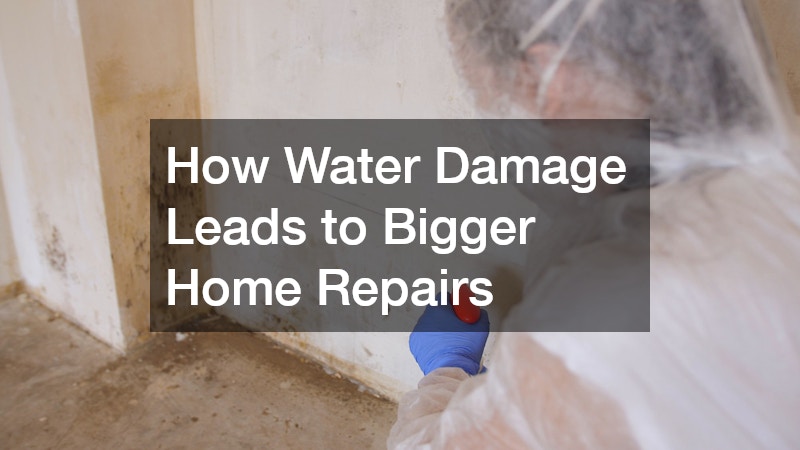
Most homeowners do not panic over a small stain on the ceiling or a little moisture near a basement wall. Life gets busy, and minor issues often seem harmless at first glance. Unfortunately, water damage rarely remains minor for long. Moisture moves quietly through drywall, insulation, flooring, and framing materials, often spreading far beyond the original source before visible symptoms appear.
The good news is that most major repairs are preventable when homeowners recognize the warning signs early and respond quickly. Knowing where water damage commonly begins and how it spreads throughout a property can help you protect both your home and your budget.
Recognizing Early Signs Before Damage Spreads
Paying Attention to Small Changes Around the Home
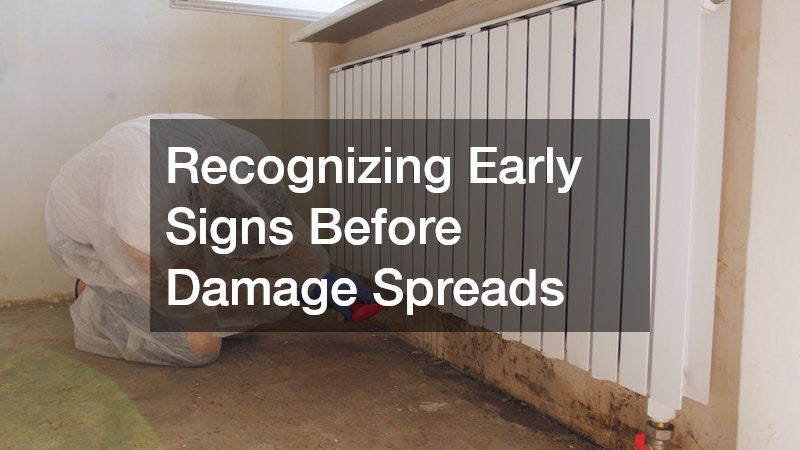
One of the biggest mistakes homeowners make is assuming water damage always appears dramatically. In reality, early signs are often subtle. A faint discoloration on drywall, slightly peeling paint, or a persistent musty smell may be the first clues that moisture is accumulating behind the scenes.
In older homes especially, moisture can travel through wall cavities and insulation long before it becomes visible. By the time water spots appear on ceilings, the leak may have already damaged wood framing or encouraged mold growth.
Areas worth inspecting regularly include:
- Under sinks
- Around windows and doors
- Near attic access points
- Along basement walls
- Behind washing machines
- Around tubs and showers
Homeowners sometimes ignore these signs because the affected area still feels dry to the touch. However, trapped moisture often lingers beneath surfaces where it cannot evaporate properly.
Responding Quickly to Roofing Concerns
Roof leaks are among the most common causes of widespread interior water damage. Even a single missing shingle can allow moisture to enter during repeated storms. Over time, attic insulation becomes saturated, wood framing softens, and ceiling materials begin to deteriorate.
A trusted local roofer can often identify vulnerable areas before leaks become severe enough to affect the interior of the home. Small flashing failures around chimneys or vents may seem insignificant initially, but they frequently allow water to seep into hidden spaces for months.
Many homeowners only notice roof-related moisture after heavy rainstorms. By then, water may already be traveling through insulation layers or dripping into wall cavities.
Knowing When Moisture Creates Electrical Risks
Water and electricity create a dangerous combination. If moisture reaches outlets, breaker panels, or wiring, immediate professional evaluation is necessary. Flickering lights, buzzing outlets, or breakers that trip unexpectedly after storms may indicate hidden water intrusion.
An experienced electrician can determine whether water exposure has compromised wiring or created corrosion inside electrical components. Waiting too long may increase the risk of electrical fires or equipment failure.
Preventing Roof Leaks From Becoming Structural Repairs
Understanding How Water Travels Through Roofing Systems
Many homeowners assume roofing leaks stay localized directly beneath the damaged area. In reality, water often follows beams, rafters, or insulation before becoming visible somewhere entirely different.
A small crack near flashing may eventually produce ceiling stains several feet away from the actual entry point. This makes roof leaks notoriously difficult to diagnose without a thorough inspection.
Moisture trapped inside attic spaces creates several long-term problems:
- Wood rot in framing components
- Mold growth on roof decking
- Reduced insulation effectiveness
- Sagging drywall ceilings
- Increased indoor humidity
Even homes with newer roofs can develop moisture issues when ventilation systems are inadequate.
Improving Ventilation Throughout the Attic
Attics need proper airflow to release trapped heat and moisture. Without adequate ventilation, condensation forms beneath roofing materials, particularly during seasonal temperature swings.
Homeowners sometimes mistake condensation damage for active roof leaks because the symptoms look similar. Wet insulation, mildew odors, and dark staining may actually stem from poor ventilation rather than storm damage.
Simple improvements such as ridge vents, soffit ventilation, or attic fan upgrades can significantly reduce moisture accumulation.
Acting Before Cosmetic Damage Turns Structural
Ceiling stains often tempt homeowners to focus only on repainting damaged areas. Unfortunately, cosmetic repairs rarely solve the underlying problem.
Professional residential roofing contractors typically inspect:
- Flashing around penetrations
- Roof valleys
- Chimney seals
- Vent boots
- Underlayment conditions
- Drainage patterns
Addressing small roofing concerns early costs far less than replacing rotted framing or repairing collapsed ceilings later.
Protecting Plumbing Systems From Hidden Moisture
Watching for Early Signs of Appliance Failure
Water heaters often leak gradually before failing completely. Small puddles around the base, rust-colored water, or inconsistent temperatures frequently appear months before major breakdowns occur.
Because water heaters are commonly located near finished walls or flooring, even minor leaks can create widespread interior damage. Laminate flooring swells quickly when exposed to moisture, and drywall absorbs water rapidly.
Delaying water heater replacement may save money temporarily but often leads to significantly larger repair bills later. In some homes, unnoticed leaks have damaged adjacent cabinetry, insulation, and subfloor materials long before the water heater itself stopped functioning.
Reducing Stress on Household Plumbing
Water pressure plays a major role in plumbing longevity. Excessive pressure strains pipes, fittings, and appliance connections throughout the house.
Homeowners can reduce the risk of hidden leaks by:
- Monitoring water pressure levels
- Replacing aging supply lines
- Insulating exposed pipes
- Checking appliance hoses annually
- Addressing slow drains promptly
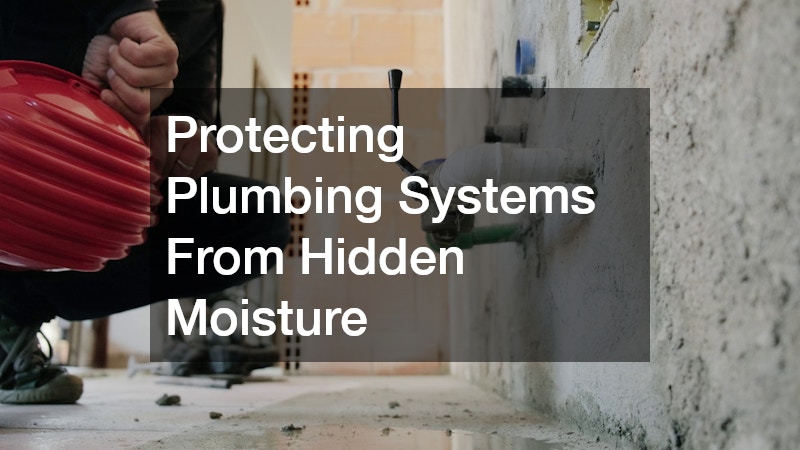
Small plumbing issues rarely improve on their own. A minor drip inside a wall cavity may continue saturating wood framing for months before becoming visible.
Recognizing Moisture Patterns That Repeat
Sometimes homeowners repeatedly clean up the same damp area without investigating further. A recurring wet spot beneath cabinetry or persistent condensation near plumbing fixtures often signals a larger issue.
One homeowner might notice warped flooring near a utility closet and assume it resulted from occasional spills. Months later, they discover a pinhole pipe leak slowly soaked the subfloor underneath the entire area.
Patterns matter. If moisture repeatedly appears in the same location, deeper investigation is necessary.
Managing Groundwater Before Foundations Become Vulnerable
Understanding the Pressure Water Places on Foundations
Water surrounding a home does not simply disappear into the soil harmlessly. Poor drainage creates hydrostatic pressure against basement walls and foundations. Over time, this pressure contributes to cracks, shifting, and moisture intrusion.
Early warning signs include:
- Damp basement walls
- Efflorescence deposits
- Cracks in concrete
- Musty odors
- Uneven flooring
These symptoms often worsen gradually, making them easy to dismiss until significant structural problems develop.
Improving Outdoor Drainage Patterns
Homeowners frequently focus on interior leaks while overlooking exterior water management. Yet many moisture issues originate outside the home entirely.
Simple drainage improvements can dramatically reduce water intrusion risks:
- Extend downspouts away from the foundation
- Regrade soil around the house
- Clean gutters regularly
- Install French drains where necessary
- Avoid overwatering landscaping near foundations
Properties with wells also require careful groundwater management. A reliable well drilling company can help homeowners evaluate groundwater conditions and ensure water systems function properly without contributing to excess moisture around the property.
Preventing Seasonal Water Accumulation
Certain times of year create heightened moisture risks. Snowmelt, hurricane seasons, and prolonged rainy periods often expose weaknesses in drainage systems.
Homeowners who inspect exterior grading and drainage proactively before severe weather seasons usually avoid larger repairs later.
Maintaining Septic Systems Before Moisture Problems Escalate

Recognizing When Drainage Issues Signal Bigger Trouble
Septic problems often begin subtly. Toilets drain more slowly, sinks gurgle occasionally, or portions of the yard remain damp longer than usual.
One particularly frustrating aspect of septic-related water damage is how gradually it develops. Homeowners sometimes adapt to worsening symptoms instead of investigating them immediately.
Staying Consistent With Preventive Maintenance
Routine septic tank clean out services play a critical role in preventing backups and overflows. Waiting until a system fails completely usually means facing not only septic repairs but also water damage restoration inside the home.
Septic maintenance schedules vary depending on:
- Household size
- Tank capacity
- Water usage habits
- Age of the system
Ignoring regular maintenance increases the likelihood of sewage backups, which introduce both moisture and contamination concerns.
Avoiding Landscaping Mistakes That Create Moisture Risks
Tree roots often infiltrate septic lines searching for water sources. Over time, roots can crack pipes or obstruct drainage, causing wastewater to back up into the system.
Heavy vehicles parked above septic components may also compact soil or damage underground lines. Homeowners should know the layout of their septic system and avoid activities that place unnecessary strain on buried components.
Protecting Interior Surfaces From Long-Term Moisture Exposure
Understanding Why Kitchens and Bathrooms Are Vulnerable
Bathrooms and kitchens experience more daily moisture exposure than nearly any other area of the home. Steam, splashes, leaks, and humidity create constant opportunities for hidden water damage.
Unfortunately, many moisture problems remain concealed beneath surfaces homeowners rarely inspect.
Water frequently infiltrates:
- Around sink cutouts
- Beneath backsplashes
- Under flooring seams
- Along shower enclosures
- Around plumbing penetrations
Once water seeps below finished surfaces, damage spreads quickly.
Replacing Materials Before Damage Expands
Countertops exposed to prolonged moisture often begin swelling near seams or sink edges. Laminate materials are particularly vulnerable because trapped water causes particleboard cores to deteriorate.
In some situations, countertop replacement becomes necessary not only for appearance but also to stop hidden moisture from spreading deeper into cabinetry and walls.
Delaying repairs sometimes creates a domino effect. A small leak beneath a sink damages cabinetry, flooring, drywall, and eventually nearby rooms as moisture migrates outward.
Improving Airflow in High-Humidity Areas
Ventilation matters more than many homeowners realize. Bathrooms without effective exhaust systems often develop condensation on walls and ceilings, even when no plumbing leak exists.
Simple improvements such as longer fan run times, upgraded ventilation systems, or moisture-resistant finishes can substantially reduce long-term damage risks.
Strengthening Exterior Entry Points Against Moisture
Identifying Weaknesses Around Doors and Frames
Exterior doors constantly face changing weather conditions. Rain, humidity, sunlight, and temperature fluctuations gradually wear down seals and framing materials.
Water entering through small gaps around doors may seem minor initially, but repeated exposure often leads to rot beneath thresholds and inside surrounding walls.
Signs of trouble include:
- Swollen door frames
- Drafts
- Soft wood trim
- Peeling paint
- Difficulty opening or closing doors
These symptoms frequently indicate hidden moisture intrusion rather than simple aging.
Improving Protection With Updated Materials
Older exterior doors sometimes lack adequate weather sealing or insulation. Modern door replacements often improve both energy efficiency and moisture protection simultaneously.
Proper installation matters just as much as the materials themselves. Even high-quality doors can allow water intrusion if flashing or sealing is incomplete.
Maintaining Exterior Finishes Consistently
Caulking and paint serve as protective barriers against moisture. Once these finishes deteriorate, water penetrates vulnerable wood surfaces more easily.
Many homeowners postpone exterior maintenance because the damage appears cosmetic. However, exposed wood absorbs moisture rapidly, particularly during repeated storms or humid conditions.
Reducing Moisture Problems Inside Garage Areas
Understanding Why Garages Develop Hidden Water Damage
Garages often receive less attention than finished living spaces, yet they experience substantial moisture exposure. Rainwater enters through vehicle tires, foundation cracks, and poorly sealed doors.
Because garages are rarely climate controlled, humidity levels fluctuate dramatically throughout the year.
Over time, moisture may damage:
- Stored belongings
- Drywall
- Concrete flooring
- Metal fixtures
- Wooden framing
Maintaining Mechanical Components Exposed to Humidity
Moisture affects more than structural materials. Humid garage environments accelerate corrosion on springs, tracks, and garage door openers.
When condensation repeatedly forms on metal components, mechanical systems wear out faster and become less reliable.
Homeowners should inspect garages regularly for signs of rust, standing water, or condensation buildup, particularly after storms.
Improving Ventilation and Drainage
Simple changes often make garages significantly drier and healthier:
- Seal floor cracks
- Improve perimeter drainage
- Add ventilation fans
- Store items off the floor
- Install weather stripping
Garages connected directly to the home deserve particular attention because moisture can migrate into adjacent interior spaces.
Responding Quickly to Water Supply and Pump Problems
Recognizing Signs of Pump Failure Early
Homes that rely on wells face unique moisture risks when pump systems malfunction. Sudden pressure fluctuations, sputtering faucets, or inconsistent water flow may signal developing pump issues.
In some cases, damaged pumps contribute to flooding around basements or utility spaces.
Addressing Water System Changes Promptly
Homeowners sometimes delay investigating water pressure changes because the system still functions partially. Unfortunately, pump problems often worsen quickly once symptoms begin.
A small leak or failing component may eventually create enough water accumulation to damage nearby flooring, drywall, or storage areas.
Prompt well pump repairs help reduce the likelihood of emergency flooding and secondary property damage.
Creating a Preventive Maintenance Routine
Water systems require ongoing monitoring rather than reactive repairs alone. Homeowners who schedule periodic inspections typically identify small problems before they become disruptive emergencies.
Preventive steps may include:
- Monitoring pressure consistency
- Inspecting exposed pipes
- Checking for unusual pump noises
- Testing shutoff systems
- Watching for damp utility areas
These simple habits often prevent thousands of dollars in avoidable repairs.
Taking Small Moisture Problems Seriously From the Start
Water damage becomes expensive when homeowners underestimate how quickly moisture spreads through a home. What appears manageable on the surface may already be affecting insulation, framing, flooring, or electrical systems behind the scenes.
Every home will experience moisture exposure at some point. The difference between minor inconvenience and major renovation often depends on how early the issue is identified and how quickly action is taken.