Renovating a home gives you a rare clean slate. Walls are open, floors are up, and wiring is accessible in ways that would cost thousands to replicate later. That makes a remodel the single best moment to think about what your house should do for you, not just how it should look.
Automation has moved well past the novelty phase. According to Market.us Smart Home Statistics 2026, 63% of U.S. households now own at least one smart home device, compared with 44% in 2022. That jump reflects a real shift in how people expect their homes to function: quieter energy bills, better security, and daily routines that run with less friction.
The trick is knowing which features are genuinely worth the drywall. Some technologies pay for themselves in a few years. Others are gimmicks that will be obsolete before your paint fully cures. Below is a research-backed look at the automation choices that deserve a spot in your renovation plan, and the reasoning behind each one.
Why Renovation Is the Right Moment for Automation
The best time to install automation is when you’re already paying a contractor to open things up. Running low-voltage cable through a finished wall can cost five to ten times what it costs during framing. If you’re figuring out how to plan a home remodel, grouping automation decisions with your electrical, HVAC, and framing plans will save both money and regret later.
Timing also matters because wireless protocols keep evolving. Hardwired backbones — Ethernet runs, structured wiring panels, and conduit — future-proof your home against the next decade of changes. Wireless devices can be swapped easily; cable in the wall cannot. Treat your wiring as infrastructure, not as a product.
There’s a mindset shift here too. Automation planned during renovation becomes part of the house. Automation added afterward tends to feel bolted on, with visible sensors, extra cords, and wall-wart adapters cluttering outlets. Planning early keeps the final look clean.
Climate Control That Actually Saves Money
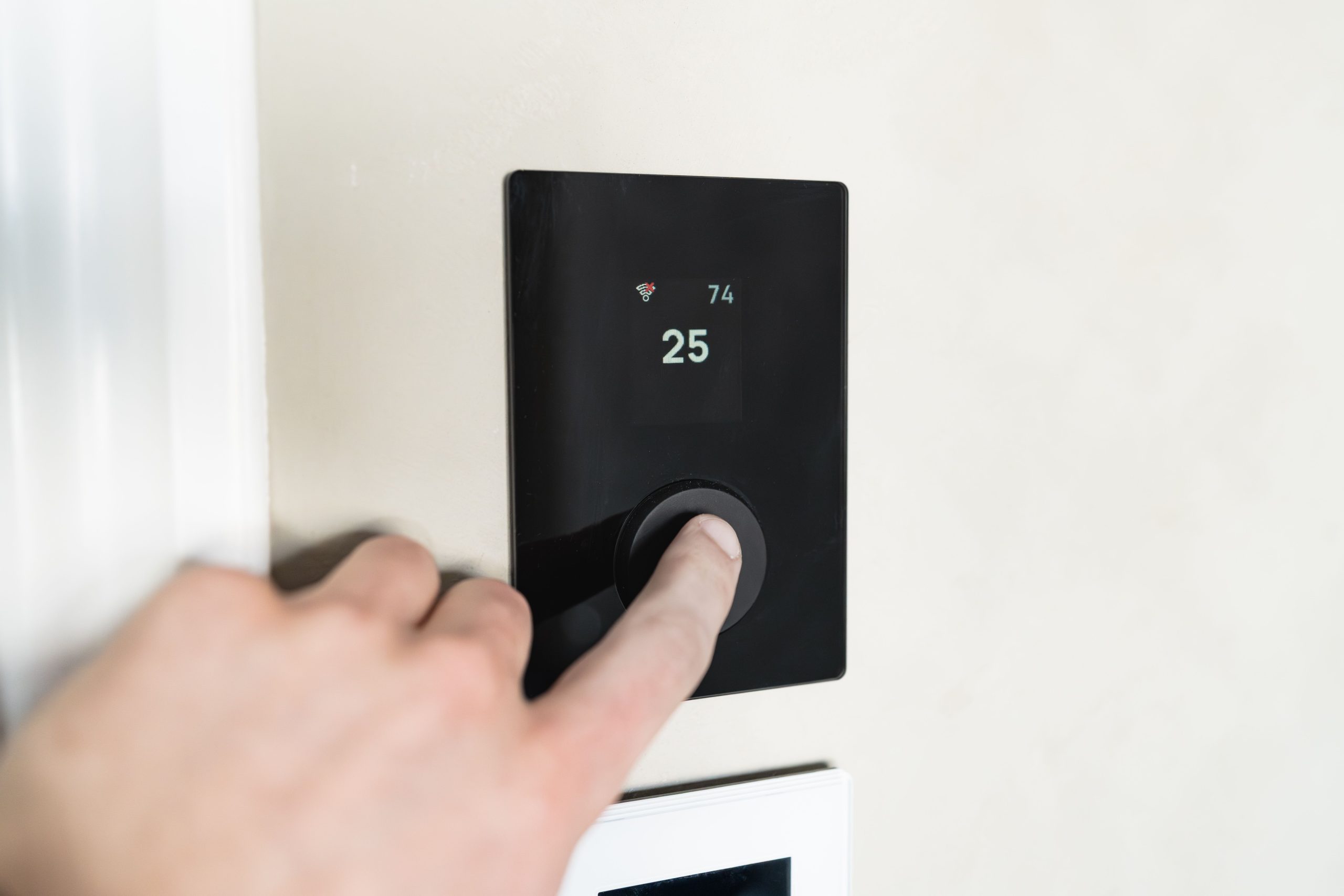
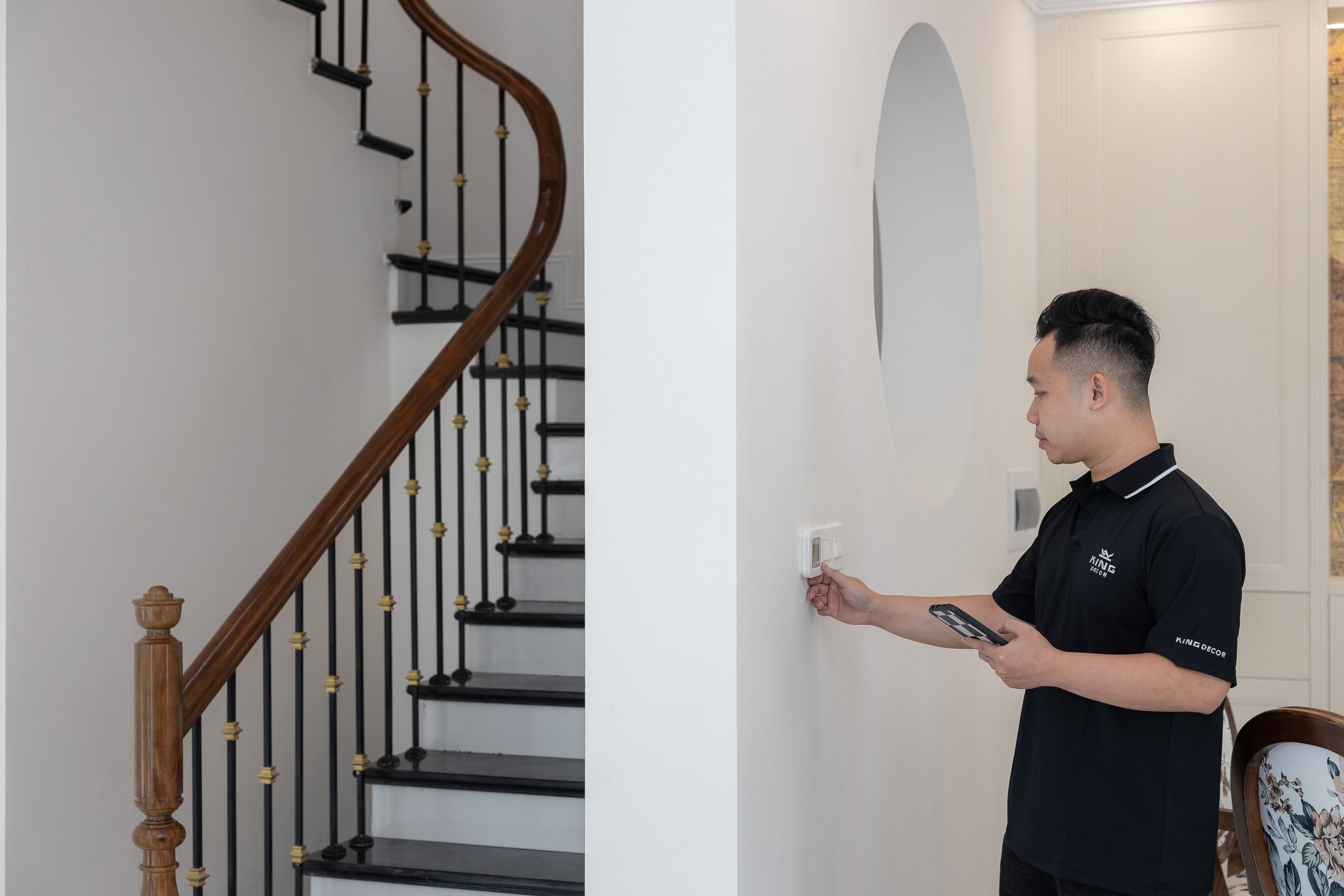
Heating and cooling account for roughly half of a typical home’s energy use, which is why smart thermostats are often the first upgrade people consider. According to Revive Real Estate, smart thermostats can deliver around 20% energy savings, with smart lighting pushing closer to 30% and connected appliances around 25%. Those numbers compound quickly across a full year.
Still, adoption is lower than you’d expect. Axis Intelligence reports that only about 17.7% of U.S. households — roughly 21.8 million homes — actually automate their temperature control. The gap between what’s possible and what’s installed is wide, which means early adopters still see meaningful returns.
During a remodel, consider going beyond a single thermostat. Zoning systems with motorized dampers, smart vents, and multiple sensors let different rooms stay at different temperatures based on who’s using them. Features worth building in include:
- Multi-zone HVAC with dedicated thermostats per floor or wing
- Occupancy sensors that drop setpoints in empty rooms
- Smart ceiling fans wired for coordinated control with AC
- Humidity sensors tied into bathroom and basement ventilation
- A heat-pump-ready electrical panel if you plan to electrify later
Ductwork and Sensor Placement
Sensor location is where most climate systems quietly fail. A thermostat on a sunlit hallway wall will overcool your bedrooms every afternoon. During framing, mark where remote temperature sensors should sit — interior walls, away from vents, at seated or sleeping height — and run low-voltage wire to those spots. It’s a small step that completely changes how accurate your system feels day to day.
Security Systems Built Into the Bones
Security is the largest single category in home automation. Future Market Insights reports that safety and security makes up 26.7% of the application segment in 2026, ahead of entertainment, lighting, and climate. That’s partly because homeowners feel the payoff immediately and partly because insurers increasingly reward connected monitoring.
Renovation is the moment to hardwire cameras, run doorbell power to secondary entries, and install reinforced strike plates with smart locks that won’t rattle loose. Wireless security works, but wired PoE cameras deliver better video quality, reliable power, and no battery changes. Behind the walls, add conduit for future runs even if you don’t pull cable today.
Smart glass-break sensors, water leak detectors near every plumbing fixture, and integrated smoke/CO alarms belong on the same plan. The goal isn’t paranoia — it’s layered awareness, so small problems are caught before they become insurance claims.
Lighting and Shading as Smart Upgrades
Lighting is where automation shows off most visibly, and it’s also where planning pays off most. Running neutral wires to every switch box, choosing deep boxes that fit smart dimmers, and installing keypad locations during rough-in costs almost nothing extra. Retrofitting the same setup later means pulling out drywall. These are classic Smart Upgrades that look invisible but transform how a room feels at every hour of the day.
Motorized shades deserve the same early planning. Hardwired shades draw power from a dedicated low-voltage line, avoiding the batteries that plague retrofit models. Pair them with daylight and occupancy sensors and your house starts adjusting itself without you touching anything.
Scenes, Circadian Lighting, and Health
Human-centric lighting shifts color temperature through the day — cooler and brighter in the morning, warmer and dimmer at night — to match natural circadian rhythms. Research in sleep and ambient lighting continues to suggest this helps regulate alertness and rest. Building tunable-white fixtures into bedrooms, kitchens, and home offices during renovation gives you this capability without visible retrofits later.
Think about the control layer too. A few well-placed keypads beat a dozen phone taps. Plan for:
- Neutral wires at every switch location
- Keypad positions at primary entries and bedside walls
- Dedicated circuits for exterior and landscape lighting
- Low-voltage conduit for motorized shade controllers
- Tunable-white or RGBW fixtures in the main living zones
Kitchens, Laundry, and the Quiet Appliance Shift
Kitchens eat a huge share of any remodel budget, which makes appliance choices worth slowing down on. Induction ranges, heat-pump dryers, and connected refrigerators each bring measurable efficiency gains, and they talk to energy monitoring systems in ways older appliances can’t. If you’re planning for solar or battery storage down the road, choosing connected appliances now makes that integration straightforward later.
Plumbing automation is the quiet hero here. Leak sensors under every sink, behind the dishwasher, and near the water heater can trigger an automatic shutoff valve on the main line. One avoided flood pays for the entire system several times over. Add a smart water monitor at the service entry to catch slow leaks you’d never notice otherwise.
Features worth routing power and data to during a kitchen or laundry renovation:
- Induction cooktop with a dedicated 240V circuit
- Heat-pump dryer with proper drainage nearby
- Under-sink leak sensors tied to a whole-home shutoff
- Hardwired range hood with humidity and VOC sensing
- Dedicated outlets for connected small appliances in the pantry
How to Decide What’s Worth the Money

Not every connected device deserves a spot in your plan. A good filter: does this feature save energy, improve safety, or remove a daily friction point? If it does none of those, it’s probably entertainment, and entertainment tech dates quickly.
Prioritize infrastructure over gadgets. A structured wiring panel, Cat6 runs to every room, conduit between floors, and a robust Wi-Fi backbone will outlast every specific device you install today. Devices get replaced every three to seven years. Wiring stays for decades.
Finally, think about who else will use the house. Automation that only the person who installed it can operate becomes a source of frustration, not convenience. Build in physical switches, clear labeling, and fallback controls so guests, kids, and future owners can all live comfortably with the system.
Conclusion
A renovation is a narrow window where automation choices cost a fraction of what they’d cost later. Climate control, security, lighting, shading, kitchen efficiency, and plumbing protection all become dramatically easier to install when walls are open and electricians are already on site. Planning these systems together, rather than as afterthoughts, is what separates a house that feels modern from one that feels patched together.
The research is consistent: connected systems deliver real energy savings, security is driving the biggest share of adoption, and household ownership is climbing steadily year over year. Those trends aren’t slowing down, which means the infrastructure you install now will keep paying dividends as the technology aroundit keeps evolving.
Walk through your renovation plans with your contractor, electrician, and any integrator you trust, and ask the simple question at every stage: if we open this wall, what should we put in it? The answers you give today shape how your home behaves for the next twenty years, and the layout and material decisions you make alongside them will determine whether that technology feels woven in or awkwardly stapled on. Done well, the wiring disappears, the sensors blend into the trim, and the house simply works — quieter, safer, and more responsive than the one you started with.