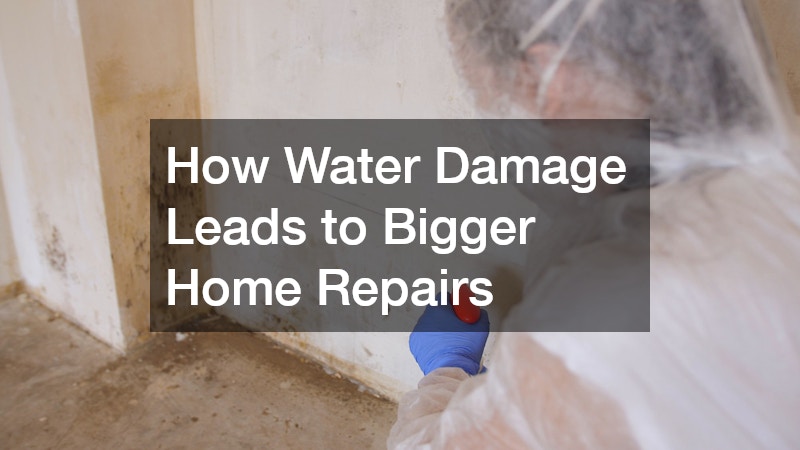
Most home emergencies do not begin as emergencies. They begin as a slow drip under a sink, a faint odor in the basement, a strange sound from a mechanical system, or a loose piece of material outside the house after a storm. At first, these issues are easy to dismiss. Life is busy, the problem seems small, and it is tempting to wait until there is a better time to deal with it.
The trouble is that homes rarely reward waiting. A small issue in the wrong place can spread quietly for weeks or months before the real damage appears. Preventing costly home emergencies is not about worrying over every creak, stain, or draft. It is about learning which warning signs deserve attention, building a simple maintenance rhythm, and knowing when a professional should take a closer look.
Checking Your Exterior After Rough Weather
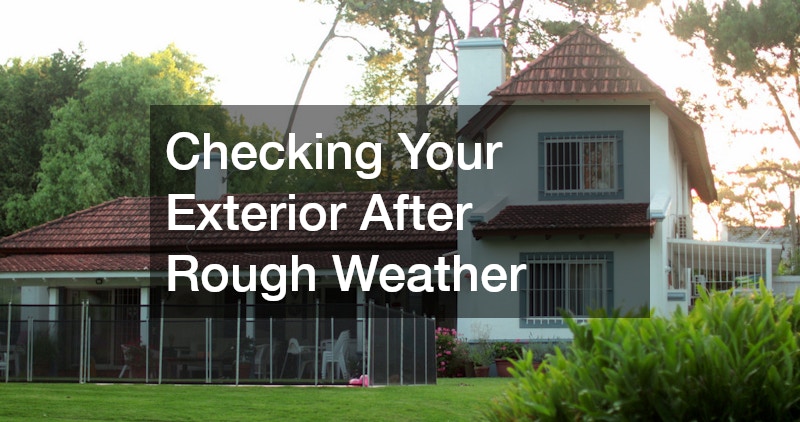
The outside of your home takes the first hit from bad weather, so it often shows signs of trouble before the inside does. After heavy rain, wind, or hail, walk the property and look for shingles that appear lifted, curled, cracked, or missing. Check for roofing material in the yard, granules near downspouts, sagging gutters, or water spilling over gutter edges.
Inside, the attic can reveal problems early. After a storm, look for damp insulation, musty smells, or small spots of daylight coming through. A ceiling stain may seem minor, but it often means water has already moved through several layers. Handling roof repair early can help prevent damaged insulation, drywall repairs, mold concerns, and larger structural issues.
Hail deserves extra attention because the damage is not always obvious. A roof can look intact while still having bruised shingles or cracked surfaces that weaken over time. If a serious hailstorm has moved through your area, an inspection can help determine whether hail damage roof repair is needed before the next rain creates a leak.
Testing Your Backup Plan Before an Outage
A power outage is more than an inconvenience during freezing temperatures, severe storms, or extreme heat. Without power, a sump pump may stop working, food can spoil, security systems may go offline, and heating or cooling equipment may fail when the household needs it most.
Many homeowners invest in backup power and then forget about it until an emergency arrives. That is when problems show up: the unit will not start, fuel has degraded, the battery is weak, or the transfer switch does not work correctly. If you have a standby or portable generator, test it before the season when you are most likely to need it. Rough starts, unusual sounds, surging power, or fuel odors may mean generator repair is needed before the equipment can be trusted.
Run the unit according to the manufacturer’s schedule, check fuel and oil, keep the surrounding area clear, and review safe operating instructions with everyone in the home. Portable units should never run indoors, in garages, in sheds, or near windows and doors because carbon monoxide can build up quickly.
Managing Wastewater Before It Backs Up
Few home emergencies are as unpleasant as wastewater backing up into a tub, toilet, or basement drain. Fortunately, these problems often give warnings first. Slow drains throughout the home, gurgling toilets, sewage odors, or unusually wet patches in the yard may all suggest that something is wrong deeper in the system.
For homes that rely on a private system, regular septic pumping is one of the most important preventive tasks. When the tank becomes too full, solids can move where they do not belong, creating backups, clogs, and potential drain field damage. The right schedule depends on household size, tank size, water use, and system condition.
Avoid flushing wipes, grease, feminine hygiene products, paper towels, cotton swabs, and harsh chemicals. Even products labeled “flushable” can contribute to clogs. It also helps to spread laundry throughout the week instead of running many loads in one day. Outside, keep vehicles, sheds, and heavy equipment off the drain field, and call for help if the grass over that area becomes unusually wet or much greener than the surrounding lawn.
Finding Moisture Before It Travels
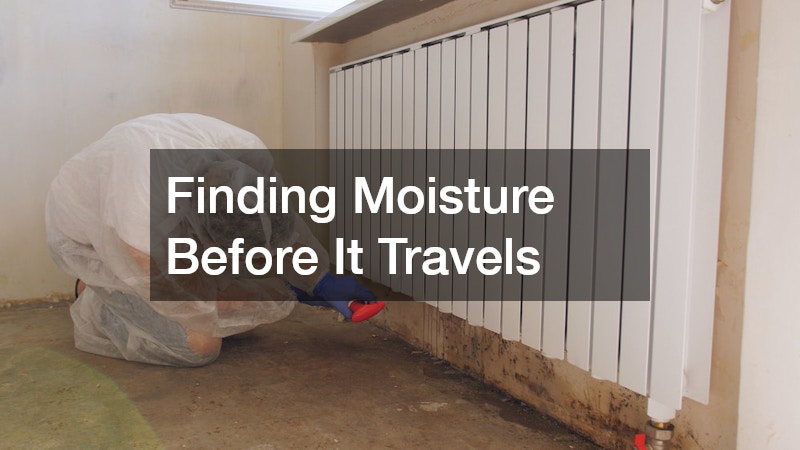
Water is one of the most damaging forces inside a house because it does not stay neatly contained. It follows gravity, moves behind walls, seeps under flooring, and creates problems in places you may not see until the damage has grown.
A small leak under a dishwasher can spread beneath cabinets. A worn washing machine hose can fail suddenly. A little water around a window can soak framing. That is why homeowners should pay attention to musty odors, warped trim, peeling paint, unexplained humidity, or stains on walls and ceilings. Delaying water damage repair can lead to mold growth, electrical concerns, damaged insulation, and weakened structural materials.
Install leak detectors near water heaters, washing machines, dishwashers, sinks, and basement mechanical areas. Replace old rubber washing machine hoses with braided stainless steel lines. Keep downspouts extended away from the foundation, and make sure the soil around your home slopes away rather than toward the house. Most importantly, learn where your main water shutoff valve is and make sure every adult in the home knows how to use it.
Reducing Fire Risks in Everyday Spaces
Fire prevention is not only about avoiding obvious hazards. Many risks come from ordinary routines: cooking dinner, doing laundry, charging devices, heating a room, or using a fireplace on a cold night. A dryer that takes longer than usual to dry clothes may have a clogged vent. A power strip hidden behind furniture may be overloaded. A space heater may sit too close to bedding.
Even a small fire can create major cleanup needs. Smoke can move through rooms, cling to soft materials, and leave soot on surfaces far from the original source. In many cases, professional fire damage removal is needed to address residue, odor, and contamination safely.
Stay near the stove when cooking with high heat. Keep towels, paper, packaging, and wooden utensils away from burners. Clean dryer lint traps after every load and have the vent line cleaned regularly. Test smoke alarms monthly, replace expired fire extinguishers, keep three feet of clearance around space heaters, and have chimneys inspected before using fireplaces in colder months.
Cleaning Outdoor Surfaces Without Causing Damage
Outdoor cleaning can protect your home, but only when it is done with the right approach. Dirt, algae, moss, mildew, and grime can make walkways slippery and cause some materials to wear faster. Decks, patios, siding, fences, and driveways all benefit from routine cleaning, especially in damp or shaded areas.
Still, more force is not always better. Using pressure washer equipment incorrectly can damage wood fibers, strip paint, force water behind siding, loosen mortar, or scar concrete. Homeowners sometimes assume a powerful stream is the fastest solution, only to create repairs they did not have before.
Start by identifying the surface. Concrete can usually handle more pressure than wood. Vinyl siding needs a gentler approach than a driveway. Brick and mortar require care, especially on older homes. Asphalt shingles should not be pressure washed because the force can remove protective granules and shorten their lifespan. Use the right cleaner, nozzle, distance, and technique, and test a small area first.
Servicing Heat Before Cold Weather Arrives
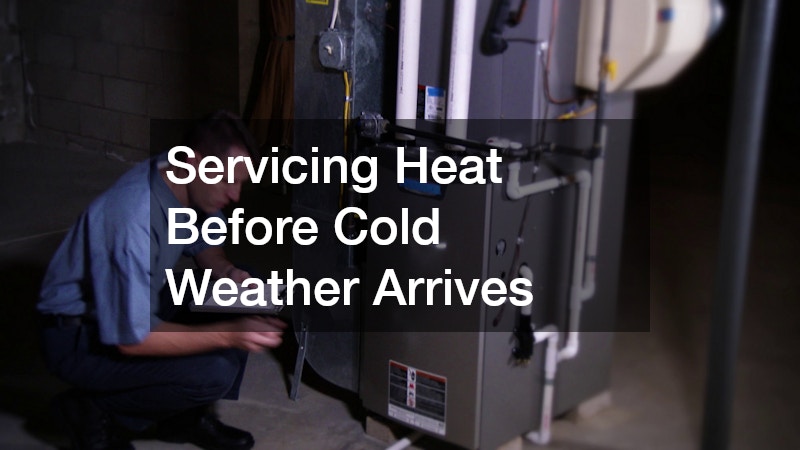
Heating systems often fail at the worst possible time. The first freezing night of the season is when neglected equipment reveals its weaknesses. By then, service appointments may be harder to schedule, and a cold house can quickly become more than uncomfortable.
If your home uses a boiler, pay attention to uneven heating, banging sounds, water leaks, pressure changes, frequent cycling, or rising utility bills. Scheduling boiler repairs before winter is far less stressful than waking up to no heat during a cold snap.
Before cold weather arrives, clear the area around heating equipment. Make sure vents, radiators, or baseboard units are not blocked by furniture, curtains, or stored items. Install carbon monoxide detectors near sleeping areas and on each level of the home. If the system sounds louder than it did last year or takes longer to heat certain rooms, do not ignore the change.
Protecting Water Access in Private Systems
When a home relies on a private water source, the household depends on equipment that many people rarely think about until the taps stop working. Losing water affects drinking, cooking, bathing, laundry, cleaning, and flushing toilets.
Watch for sputtering faucets, sudden pressure drops, cloudy water, air in the lines, or a pump that seems to cycle on and off too often. These symptoms may point to pressure tank issues, electrical problems, low water levels, or a failing pump. In some cases, repeated service calls on an aging system may make well pump replacement more practical than continuing to patch the same problem.
Keep records of the pump’s age, past service dates, water test results, and any changes in performance. Keep the wellhead visible, accessible, and protected from vehicles, flooding, and debris. Have water quality tested regularly, especially after flooding, nearby construction, or changes in taste, color, or odor.
Updating Busy Surfaces Before They Fail
Not every costly home problem starts inside a mechanical system. Some begin in the rooms used hardest every day. Kitchens, bathrooms, laundry areas, and workspaces deal with moisture, heat, cleaning products, spills, and impact. When surfaces wear down, they can allow water to seep into cabinets, walls, and subflooring.
A cracked surface near a sink, a failing seam, or deteriorated caulking can let water reach areas that are difficult to dry. Quality countertop installations can reduce these risks when surfaces are properly supported, sealed, and matched to the way the household actually uses the space.
The goal is not to replace surfaces just because they look dated. The goal is to recognize when wear has moved beyond cosmetic. A loose backsplash, soft cabinet base, uneven counter, or gap around a sink should be addressed before water finds a path underneath. Wipe up standing water near sinks, use cutting boards and trivets, recaulk when gaps appear, and check under sink cabinets regularly.
Organizing a Whole-Home Prevention Plan
Prevention works best when it is organized. Without a plan, maintenance becomes something you remember only after a problem appears. With a plan, you can spread tasks throughout the year and make decisions calmly instead of reacting under pressure.
Start by creating a home maintenance folder, either digital or physical. Include warranties, manuals, service records, contractor contact information, inspection reports, photos of key systems, and notes about past repairs. Label important shutoffs and access points, including the main water valve, electrical panel, gas shutoff, cleanouts, and mechanical equipment.
Divide tasks into monthly, seasonal, and annual reminders. Monthly tasks might include testing alarms and checking under sinks. Seasonal tasks might include clearing gutters, inspecting exterior surfaces, changing filters, and preparing equipment for weather changes. Annual tasks might include professional inspections, deep cleaning vents, servicing major systems, and reviewing insurance coverage.
Prioritize by risk. Issues involving active water, electrical safety, heating failure, structural exposure, or fire hazards should move to the top of the list. Cosmetic projects can wait. Problems that threaten safety or allow damage to spread should not.
Keeping Small Problems From Becoming Emergencies
A well-maintained home is not a perfect home. Things will still break, storms will still happen, and unexpected repairs will still come up. The difference is that preventive habits give you a better chance of catching trouble while it is still manageable.
The most effective homeowners are not the ones who know everything about construction or mechanical systems. They are the ones who pay attention. They notice when something sounds different, smells odd, drains slowly, stains a ceiling, or changes after a storm. They keep records, ask questions, and handle small issues before they become major disruptions.
Start with the areas most likely to cause expensive damage: water, weather exposure, power, heat, fire safety, and drainage. Build from there. A few minutes of inspection, a timely service appointment, or a small repair can protect your home, reduce stress, and save money over time.